5 Camping Spots in California for Women: Scenic, Beginner-Friendly Getaways
California is one of the best places in the United States for camping. Within a single state, you can sleep beside the Pacific Ocean, wake up beneath towering granite cliffs, camp beneath desert stars, or spend the night surrounded by redwoods.
For women who are new to camping, traveling solo, or simply prefer campgrounds with established facilities and other campers nearby, choosing the right destination can make the experience much more comfortable.
There is no campground that can guarantee complete safety, and conditions can change from one visit to the next. However, established campgrounds in popular parks and recreation areas can offer advantages such as designated campsites, maintained facilities, regular visitors, park staff, and established trails.
Here are five California camping destinations worth considering if you want to combine outdoor adventure with a little extra peace of mind.
01. Refugio State Beach
Santa Barbara County, California
Despite the heading in the original article, Refugio State Beach is not in Santa Cruz. It is located along the Gaviota Coast in Santa Barbara County, west of Santa Barbara.
That location makes Refugio an excellent choice if you’re looking for a California coastal camping trip without having to venture deep into the wilderness.
The campground sits close to the Pacific Ocean, giving campers easy access to the beach and beautiful coastal scenery. The setting is considerably more relaxed than some of California’s larger and busier coastal destinations.
Why Refugio State Beach Can Be a Good Choice for Women
One advantage of a developed state beach campground is that you’re camping in a designated area rather than choosing an isolated backcountry site.
The campground’s established infrastructure and popularity with beachgoers and campers can make it a comfortable option for someone who doesn’t want to be completely isolated.
However, don’t interpret that as a guarantee of safety. Standard precautions still apply, particularly at night.
What to Expect
Expect a classic California coastal camping experience: ocean views, sandy beaches, picnic areas, and easy access to the Pacific.
It’s a particularly appealing option for a short weekend camping trip when you want scenery without an extremely demanding hike or complicated backcountry logistics.
02. Yosemite National Park
Sierra Nevada, California
Few camping destinations in California are as iconic as Yosemite.
For women who enjoy meeting other outdoor enthusiasts, Camp 4 can be an interesting option. Camp 4 has a long history as a gathering place for climbers and independent travelers, and its communal atmosphere is very different from staying at a private campground where everyone keeps to themselves.
That said, Camp 4 is not necessarily the best choice for every first-time camper. Campsites are communal, and the environment is more basic than some developed campgrounds.
Why Yosemite Works for Solo Travelers
One of Yosemite’s biggest advantages is the sheer number of people visiting and recreating throughout the park.
There are established trails, visitor facilities, campgrounds, and park personnel, meaning you don’t have to figure everything out completely on your own.
For a solo camper, that can provide a greater sense of comfort than camping somewhere extremely remote.
The trade-off is crowds. Yosemite can become exceptionally busy, particularly during peak seasons, so don’t expect solitude.
What to Expect
Yosemite offers an enormous range of outdoor activities, from relatively easy walks to demanding mountain hikes.
You can spend your day exploring Yosemite Valley, photographing waterfalls and granite formations, hiking through forests, or simply relaxing at camp.
If you’re considering Camp 4 specifically, check the current National Park Service rules and reservation or availability information before your trip.
03. Pfeiffer Big Sur State Park
Big Sur, California
The original article refers to “Big Sur State Park,” but the official name is Pfeiffer Big Sur State Park.
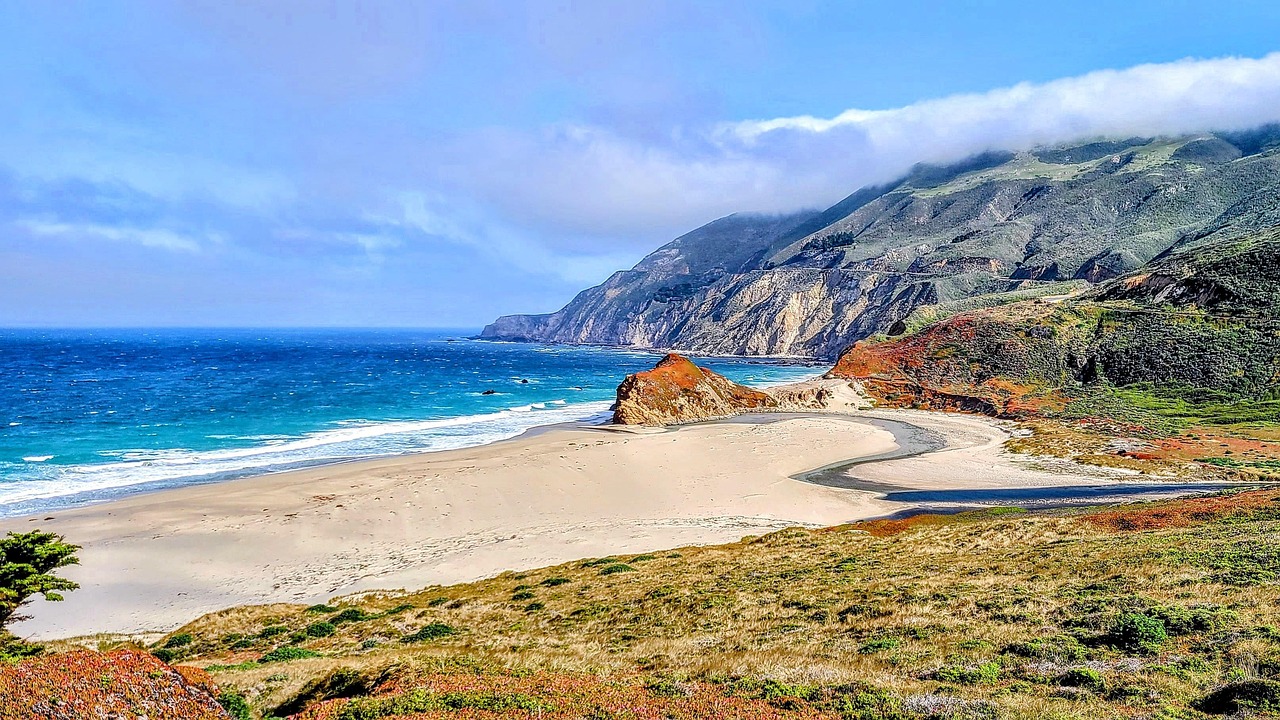
Located along California’s spectacular Central Coast, the park offers a very different camping experience from Refugio. Instead of sleeping beside an open beach, you’re surrounded by the forests and mountains of Big Sur.
The park is an excellent choice if your idea of camping involves tall trees, mountain scenery, hiking trails, and the distinctive landscape of California’s Central Coast.
Why Big Sur Is Appealing for Women Campers
Established campgrounds can be a good middle ground between traditional camping and complete wilderness solitude.
You’re still surrounded by nature, but you’re staying within a managed recreation area with designated campsites and established facilities.
That can make the experience less intimidating for someone trying solo camping for the first time.
The area is also popular enough that you’ll generally encounter other visitors, although individual campsites can still feel private.
What to Expect
Expect forested surroundings, mountain scenery, hiking opportunities, and plenty of opportunities to explore the broader Big Sur region.
Keep in mind that Big Sur’s terrain can be rugged, and weather and road conditions can affect travel. Always check current park and highway information before leaving.
04. Anza-Borrego Desert State Park
Southern California
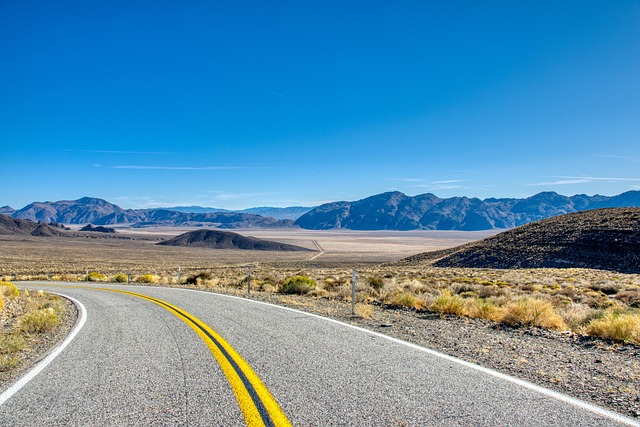
If forests and beaches aren’t your thing, California offers another completely different camping experience in the desert.
Anza-Borrego Desert State Park is California’s largest state park and one of the most fascinating places in Southern California for anyone who enjoys desert landscapes.
This is the destination I’d choose if your ideal camping trip involves huge open landscapes, spectacular sunsets, quiet nights, and some of the best stargazing available in Southern California.
Why Anza-Borrego Can Work for Solo Camping
There are developed campgrounds as well as opportunities for more primitive camping, allowing visitors to choose how much infrastructure they want.
For a first solo camping trip, however, I’d stick with an established campground rather than immediately jumping into remote desert camping.
The desert also provides a good reminder that “quiet” and “safe” aren’t necessarily the same thing. There may be fewer people around, but the environment itself presents additional challenges.
What to Expect
Expect dramatic desert scenery, dry conditions, rocky landscapes, spectacular night skies, and significant temperature changes.
Water is particularly important here. Always carry enough for your plans and understand that services can be limited.
If you’re visiting during warmer months, carefully consider the weather before planning a hike or camping trip. Desert heat can turn a relatively easy outing into a serious situation very quickly.
05. Mount Tamalpais State Park
Marin County, California
Just north of San Francisco, Mount Tamalpais State Park offers a convenient way to combine camping with hiking and some spectacular Northern California scenery.
The park is known for its forested slopes, dramatic viewpoints, hiking trails, and proximity to the San Francisco Bay Area.
That proximity is one of its biggest advantages for newer campers. You can experience a genuine outdoor environment without traveling extremely far from a major metropolitan area.
Why Mount Tamalpais Is a Good Option for Women
For someone who isn’t ready to disappear deep into the wilderness, a destination close to a major city can provide some additional peace of mind.
The park has established recreation areas and trails, and its location makes it relatively easy to combine camping with a broader Northern California trip.
Again, however, don’t confuse accessibility with guaranteed safety. Follow campground rules, keep valuables secure, and pay attention to your surroundings.
What to Expect
Expect wooded trails, coastal and mountain views, redwood and mixed forest environments, and plenty of opportunities for hiking.
It’s a particularly good destination if you want camping to be only one part of a larger Northern California adventure.
What Makes a Good Camping Spot for Women?
When choosing a campground for a solo trip, I wouldn’t focus exclusively on whether somewhere is labeled “safe.”
Instead, look at the characteristics that can make a camping experience more comfortable.
Developed campgrounds with designated campsites, maintained restrooms, established trails, and regular visitors may be preferable to completely isolated areas when you’re traveling alone.
Accessibility also matters. If something goes wrong, being relatively close to roads, other campers, or park facilities can make a difference.
It’s also worth researching recent campground reviews and checking official park information before your trip. Conditions, closures, reservation systems, and facilities can change.
Camping Safety Tips for Women
Whether you’re camping alone or with friends, a few simple habits can make your trip more enjoyable and reduce unnecessary risks.
Tell Someone Where You’re Going
Before leaving, give someone you trust your itinerary.
Tell them where you’re camping, what trails you intend to hike, and when you expect to return. If your plans change significantly, update them.
Keep Your Phone Charged
Don’t assume you’ll have reliable cell service in the outdoors.
Download maps before leaving and consider carrying a portable power bank. On more remote trips, a dedicated emergency communication device can be worth considering.
Choose an Established Campsite
If you’re new to solo camping, there’s no reason to start with the most remote campsite you can find.
A developed campground can provide a good introduction to camping while allowing you to become comfortable with setting up camp, cooking outdoors, navigating trails, and spending a night outside.
Keep Your Campsite Organized
Don’t leave food, trash, or scented products lying around.
California is home to wildlife that can become interested in unattended food, and some camping areas have specific food-storage requirements. Follow the rules for the campground you’re visiting.
Bring a Flashlight or Headlamp
A good headlamp is one of the simplest pieces of camping gear you can own.
It makes walking around camp after dark considerably easier and is useful if you need to visit a restroom or deal with an unexpected problem at night.
Trust Your Instincts
If you arrive at a campground and something doesn’t feel right, you don’t have to stay.
Likewise, if a trail, campsite, or situation makes you uncomfortable, turn around or change your plans.
There’s nothing wrong with prioritizing your own comfort.
What to Pack for a Solo Camping Trip
You don’t need an enormous collection of outdoor equipment to start camping.
For a basic campground trip, I’d prioritize:
- Tent and sleeping system
- Sleeping bag appropriate for the expected temperature
- Plenty of drinking water
- Food and snacks
- Headlamp or flashlight
- Portable phone charger
- First-aid kit
- Navigation or offline maps
- Weather-appropriate clothing
- Sun protection
- Comfortable hiking shoes
- Basic cooking equipment if permitted
- Trash bags and food-storage equipment
Your packing list should become more comprehensive as you move from developed campgrounds toward remote or primitive camping.
Which California Camping Destination Should You Choose?
Each of these destinations offers something different.
Refugio State Beach is a great choice if you want a straightforward coastal camping trip.
Yosemite National Park is ideal if you want iconic scenery, hiking, and a campground environment where you’ll encounter plenty of other outdoor enthusiasts.
Pfeiffer Big Sur State Park is the choice for forests, mountains, and the dramatic Central Coast.
Anza-Borrego Desert State Park is perfect for desert landscapes, solitude, sunsets, and stargazing.
And Mount Tamalpais State Park offers a convenient Northern California escape with forests, hiking, and spectacular views.
Final Thoughts: Camping as a Woman in California
Camping alone as a woman doesn’t have to mean choosing between comfort and adventure.
California’s enormous variety of landscapes means you can start with an established campground close to a major city and gradually work your way toward more remote adventures as your experience grows.
The most important thing is to choose a destination that matches your experience level. Research the campground beforehand, check current conditions, tell someone your plans, carry the appropriate gear, and don’t hesitate to change your itinerary if conditions aren’t right.
Once you become comfortable with the basics, camping can open up an entirely different way of experiencing California—from Pacific beaches and redwood forests to mountain valleys and remote desert landscapes.
.